 THE WEIGHT OF THE CROWN FORGED IN VENGEANCE
The aftermath of Boys Over Flowers felt less like fame and more like atmospheric re-entry. Lee Min-ho wasn't merely recognized on streets; he was dissected in newspapers, his face commodified across continents, his every movement tracked by a new species of "entertainment reporters" that proliferated with Hallyu's expansion. In 2010, he reportedly received over 500 commercial offers from shampoo to skyscrapers. Yet in quiet moments, he confessed to interviewers a peculiar anxiety:
"I felt like I was living in a house someone else built. However beautiful, the architecture wasn't mine."
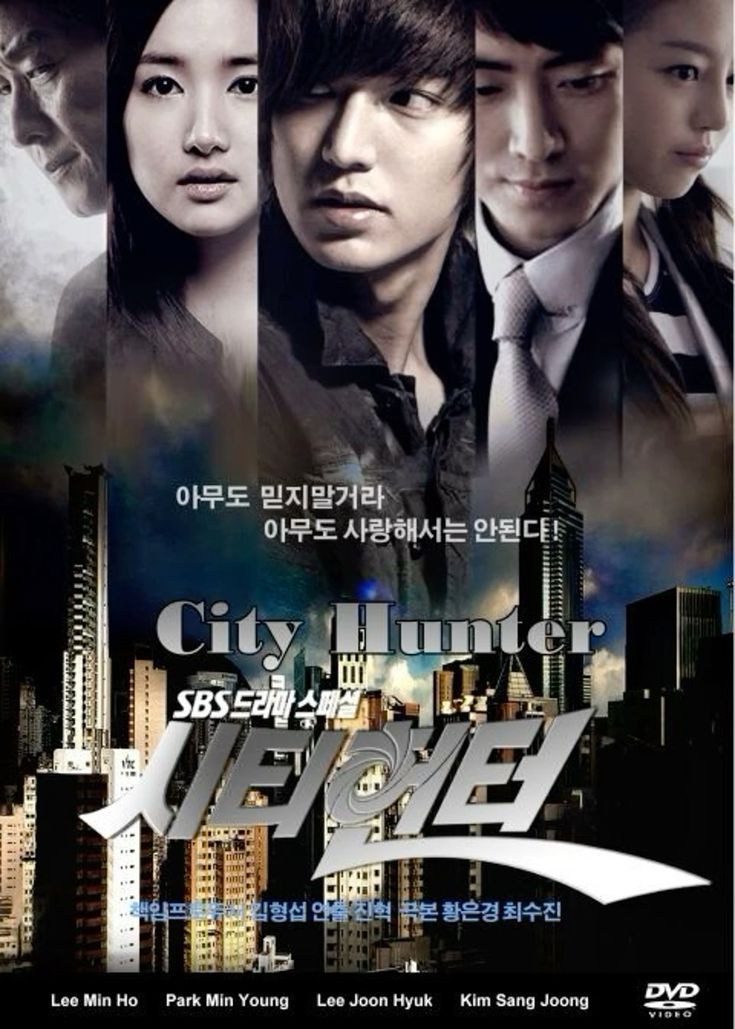
This chapter in Lee Min-ho's career represents one of the most deliberate transformations in modern entertainment: the conscious shedding of an iconic persona to build something more durable. Where many actors would have spent years replicating the Gu Jun-pyo formula (and indeed, the industry offered him countless chaebol heirs), Min-ho chose the riskier path one that would either cement his versatility or confirm him as a one-hit wonder. The vehicle for this reinvention would be City Hunter, a drama that didn't just change his career trajectory but redefined what a Korean action-romance could achieve globally.
*The Blueprint of a Reinvention
*
*The Numbers That Marked Evolution:
*
· Episodes: 20
· Average Duration: 65 minutes
· Broadcast Period: May 25 – July 28, 2011
· Average National Rating: 18.0% (peaking at 22.1%)
· International Impact: Premiered in 15 countries simultaneously, a first for Korean drama
· Streaming Milestone: First K-drama to trend globally on YouTube, with episode highlights amassing 50+ million views during initial broadcast
· Revenue Generation: $25 million from broadcasting rights, plus unprecedented product placement revenue from the "City Hunter look" (tactical watches, leather jackets, etc.)
From Flower Boy to Weapon: The Physical Metamorphosis
The preparation for City Hunter began not with script analysis, but in a gym where Lee Min-ho would spend four hours daily for six months. His trainer, former special forces operative Kang Jae-won, designed a regimen that combined military combat training with aesthetic sculpting. "We weren't building a model," Kang recalled. "We were building a weapon that happened to be photogenic."
The numbers tell the story of transformation:
· 8kg of pure muscle gained
· Body fat percentage dropped to 7%
· 200 daily pull-ups, 300 push-ups, 5km runs with weighted vests
· Specialized training in: tactical firearms handling (spending 3 weeks with police SWAT), Filipino kali knife fighting, parkour fundamentals
But the most significant change was invisible: Min-ho insisted on performing 70% of his stunts, including the infamous "construction site chase" in Episode 3 where he ran across exposed beams 40 feet above concrete. The production's insurance company reportedly threatened to cancel coverage three times. "I needed to feel the danger," he explained later. "Lee Yoon-sung isn't a superhero; he's a man operating at the edge of his capacity. If I looked too comfortable, the character would be a lie."
The Narrative Architecture: Why City Hunter Worked
Based on Tsukasa Hojo's Japanese manga but transplanted to contemporary Seoul, City Hunter presented a sophisticated cocktail of genres that hadn't been successfully mixed in Korean television:
The Revenge Plot with Psychological Depth: Lee Yoon-sung, adopted by a former special forces agent after his father's assassination, infiltrates the Blue House as an IT specialist to avenge his biological father only to discover the conspiracy reaches the highest echelons of power. Unlike simpler revenge narratives, Yoon-sung's conflict was internal: could he maintain his humanity while becoming the perfect instrument of vengeance?
The Romance as Moral Compass: Kim Na-na (Park Min-young), a bodyguard from the presidential security service, provided more than romantic interest she represented the institutional order Yoon-sung sought to undermine, yet also the ethical boundaries he desperately needed. Their cat-and-mouse dynamic, evolving from professional suspicion to lethal partnership to profound love, became the drama's emotional through line.
The Action as Character Expression
Director Jin Hyuk made a radical choice: action sequences wouldn't be mere spectacle but extensions of character psychology. Yoon-sung's fighting styleprecise, economical, almost surgical contrasted with the brute force of his adversaries. Each fight revealed something new: his discipline (Episode 1's hallway takedown), his ingenuity (Episode 7's USB retrieval using a modified smartphone), his desperation (Episode 16's bare-knuckle showdown in the rain).
The Global Resonance: Why This Drama Traveled
While Boys Over Flowers appealed through fantasy, City Hunter connected through a different vector: aspirational competence. In the post-2008 global landscape, audiences particularly young males who had previously dismissed K-dramas as "romantic fluff" responded to Yoon-sung's hyper-competence. The drama became a surprise hit in markets previously resistant to Korean content:
*Southeast Asia: *
Topped ratings in Indonesia, Philippines, and Thailand, with particular resonance in countries with complex political histories
Latin America:
Broke viewership records on Mexico's Canal 5, inspiring local adaptations
Middle East:
Became the most-watched Korean drama in Turkey and Iran, spawning countless "City Hunter style" fashion imitations
*Europe: *
Found cult following in France and Italy through online streaming communities
Africa:
In West Africa the Korean drama craze that followed Boys over flowers sky rocketed with a frenzy after the release of City Hunter.
The drama's timing proved prophetic, its themes of institutional corruption, the weaponization of technology, and the individual's struggle against systemic power resonated in an era of WikiLeaks, the Arab Spring, and growing global disillusionment with political elites.
The Fashion Phenomenon:
Redefining Asian Masculinity
Gu Jun-pyo's style was about ostentatious wealth; Lee Yoon-sung's became about tactical elegance. Costume designer Kim Min-hee created what fashion critics called "the tailored tactical look":
· Custom-fitted leather jackets with concealed articulation points
· Monochromatic color palettes (charcoal, navy, black) that emphasized silhouette over color
· The "tactical turtleneck" that became a streetwear staple across Asia
· Minimalist watches (predominantly Bell & Ross and Sinn) that sold out globally
Most significantly, Lee Min-ho's physique in fitted suits sparked what GQ Korea termed "The Tailoring Revolution" a shift from loose, layered K-pop fashions to precisely tailored menswear that emphasized athletic shoulders and tapered waists. Asian menswear sales increased 40% in the year following the drama, with "City Hunter fit" becoming a tailoring specification.
THE CO-STAR ALCHEMY
Park Min-young and the Art of Equal Ground
Where Boys Over Flowers presented a hierarchical romance (rich boy/poor girl), City Hunter engineered something rarer: a partnership between equals. Park Min-young's Kim Na-na wasn't a damsel but a skilled professional whose competence matched Yoon-sung's. Their chemistry derived not from overcoming difference but from recognizing similarity two wounded people finding solace in shared purpose.
Off-screen, their working relationship set a new standard for professionalism. In an industry where romantic leads often awkwardly avoided rumors, Min-ho and Min-young conducted joint interviews emphasizing mutual respect. "We approached our scenes like duet partners," Min-young recalled. "Sometimes the melody is his, sometimes mine, but the harmony matters most."
THE LEGACY: BUILDING A STRONG FOUNDATION
City Hunter achieved what few sophomore projects manage, it didn't just avoid the "slump" it redefined the artist. Critical reception shifted markedly:
Pre-City Hunter descriptors: "Heartthrob," "Flower boy," "Hallyu star"
Post-City Hunter descriptors: "Action star," "Serious actor," "Franchise lead"
*The drama's success created tangible career capital:
*
Hollywood Interest: Warner Bros. and Sony Pictures opened discussions for American adaptations (though none materialized)
Brand Evolution: Luxury endorsements shifted from teen-oriented products to high-end watches (Tag Heuer), automobiles (Hyundai Genesis), and fashion houses (Gucci signed him as their first Korean male ambassador in 2013)
Industry Influence: Established the "action-romance" as a viable high-budget genre, paving the way for successors like Healer and Vagabond
*The Personal Cost: Fame as Architecture
*
In a revealing 2012 interview, Lee Min-ho described the City Hunter experience as "building my own prison, but with better windows." The discipline required physical, dietary, emotional control and it became a structure he lived within.
"Before, fame felt like weather, something that happened to me. After City Hunter, I understood it's architecture. You design it, or it designs you."
This period marked his transition from phenomenon to professional. He established MYM Entertainment in 2012, taking unprecedented control over his career trajectory. The choices became deliberate: no similar roles for three years, careful curation of public appearances, strategic silence on personal matters.
The most telling metric of City Hunter's impact isn't in ratings or revenue, but in longevity. A decade after its premiere, it remains the most-streamed "classic" K-drama on Netflix in Southeast Asia, and Lee Yoon-sung consistently ranks in fan polls as "Most Influential Korean Drama Character" alongside Gu Jun-pyo, a rare dual legacy that speaks to Min-ho's range.
*THE BRIDGE TO WHAT CAME NEXT
*
As the final scene of City Hunter faded, Yoon-sung walking away from both vengeance and institutional power, having found a more personal justice, Lee Min-ho stood at a peculiar crossroads. He had proven he could escape Gu Jun-pyo's shadow, but now faced a new challenge: Could he escape the "action hero" label he'd so painstakingly earned? The industry expected more vengeance dramas; audiences anticipated tougher, grittier roles.
His next move would surprise everyone. Rather than deepening the action trajectory, he would return to romance but not as a chaebol heir or vengeful operative. He would become Kim Tan in The Heirs, creating what critics would call "the most meta-romance in Korean television history": a drama about inheritance that itself became an inheritance, about privilege that examined its own cultural privilege, and about a star playing a star discovering what stardom truly costs.
But that transformation from weapon back to human, from hunter to heir requires its own chapter. For now, in the rain-soaked finale of City Hunter, we leave Lee Min-ho not at the beginning or end of his journey, but precisely in the middle: having built his first real home as an artist, standing at the threshold, wondering what rooms he might add next.